
Photography has never struggled with sharpness, resolution, or perfection.
It struggles with feeling.
In a world obsessed with technical correctness, there’s something quietly powerful about images that breathe – photographs that accept blur, grain, imbalance, and chance as part of the process rather than something to be corrected later.
This way of seeing aligns closely with wabi-sabi, the Japanese philosophy that finds beauty in imperfection, impermanence, and incompleteness. It isn’t a style you apply. It’s a mindset you step into.
Stop Chasing Perfection – Look for Truth
A technically perfect photograph can be impressive.
It can also be completely forgettable.
Imperfection brings honesty. A missed focus, uneven light, or rough edge often says more about a moment than flawless execution ever could. These small “flaws†are usually signs that something real happened in front of the lens.
Wabi-sabi reminds us that beauty often lives in what’s worn, incomplete, or unresolved. In photography, that translates to images that feel lived-in rather than manufactured.
Photographers Who Understood This Early
Some of the most influential photographers never chased perfection in the first place.
Daido Moriyama built an entire visual language from grain, blur, high contrast, and visual abrasion. His photographs feel raw, restless, and unresolved – because that’s how cities feel. The technical flaws, aren’t accidents; they’re part of the truth of the scene.
William Klein pushed even further. Motion blur, tilted horizons, blown highlights – his work ignores refinement in favour of energy. The photographs feel loud, confrontational, alive. Precision would have killed them.
Anders Petersen embraced intimacy over polish. His photographs – often grainy, close, and emotionally exposed – feel human first and photographic second. Focus drifts, compositions lean, but the connection is unmistakable. The imperfection is what makes the work tender rather than theatrical.
Josef Koudelka worked with chaos rather than against it. His images are often fractured, heavy with contrast, and emotionally charged. Horizon lines bend, frames feel crowded or unsettled – mirroring displacement, movement, and unrest. Order would have betrayed the subject.
None of these photographers were careless.
They were intentional about what they allowed to remain imperfect.
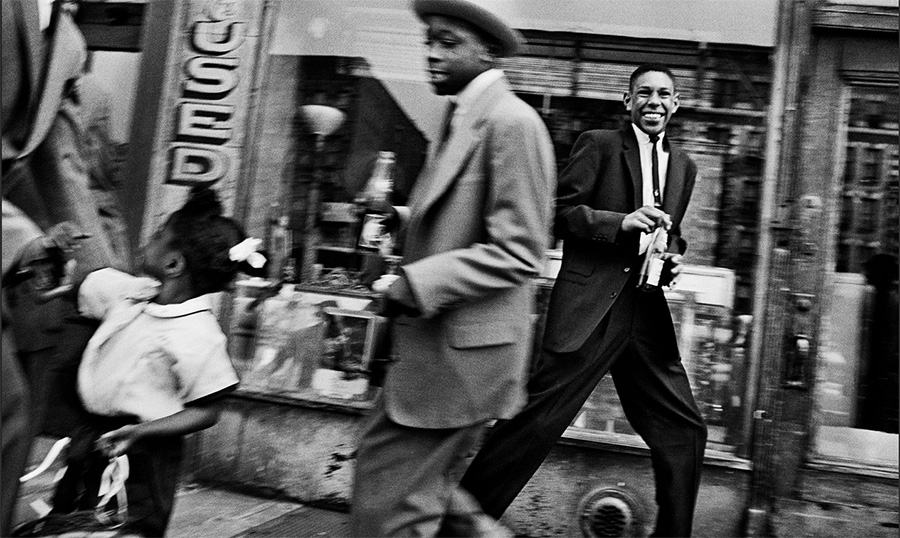
Trust Instinct Over Instruction
Photography improves when you stop asking whether a shot is correct and start asking whether it feels right.
Rules are useful – until they aren’t. The images that linger are often the ones taken without overthinking: something caught out of the corner of your eye, a moment you reacted to rather than planned.
If it resonates with you, that’s usually enough. Taste develops by listening to instinct, not by trying to please every invisible critic.
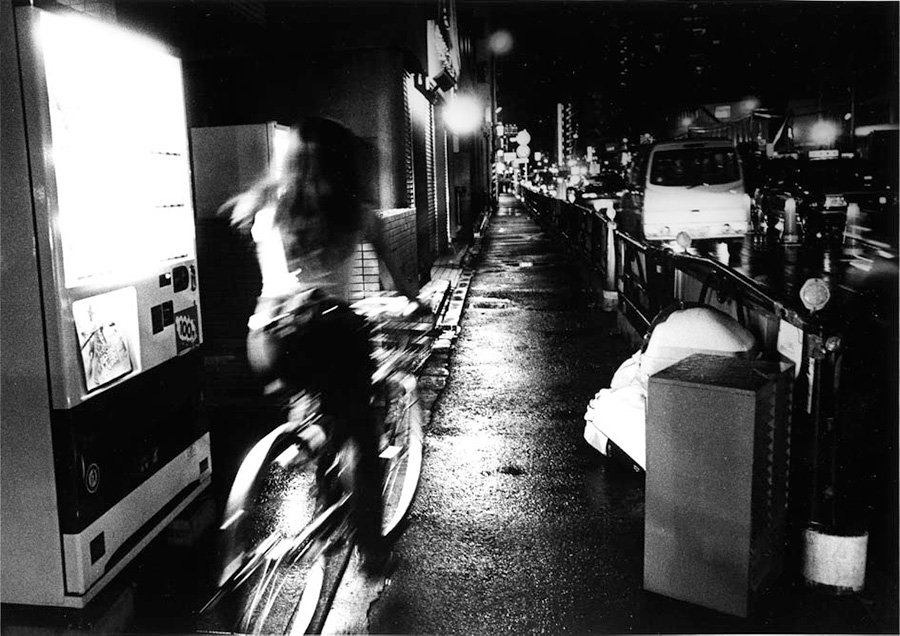
Why Film Encourages Imperfection (And Why That Matters)
One of the reasons I still shoot film is simple:
you never fully know what you’re going to get.
Film invites uncertainty. Happy accidents happen. Light leaks, unexpected contrast, movement, grain -imperfection isn’t a failure of the process, it’s part of it.
I can take a hundred technically perfect digital photographs on a modern camera and feel nothing about them. I can also shoot several rolls of film on an OM body and come away with ninety-nine unusable frames – and still feel it was worth it for the one image that quietly lands.
That one photograph carries more weight than a folder full of perfection.
Let Go of Precision and Allow Accidents
Some of the most compelling photographs happen when precision slips.
Handheld shooting, natural light, imperfect timing – these introduce uncertainty, and uncertainty introduces character. A slight softness or motion blur can suggest atmosphere, memory, or emotion far more effectively than clinical sharpness.
Perfection freezes a moment. Imperfection lets it move.
Shoot Less. Remember What You’ll Actually Print
At some point, the question matters:
how many photographs are you really going to print?
Not hundreds. Not thousands. A handful.
Photography isn’t about producing endless technically competent images. It’s about searching for the one that earns its place on paper. Often, that perfect image doesn’t arrive through sharpness or clarity – it arrives through abstraction, emotion, or something unresolved.
Sometimes imperfection is exactly what gives a photograph permission to last.
Photograph for Yourself First
Trends move quickly. Taste doesn’t.
If you make photographs primarily for approval, your work will always feel slightly borrowed. The images that endure tend to come from photographers following their own curiosities, not chasing consensus.
If it feels honest to you, it will eventually find its audience – or it won’t. The work still matters.
The Quiet Beauty of Wabi-Sabi
Wabi-sabi isn’t about lowering standards.
It’s about shifting them.
It asks you to notice what’s already there rather than forcing a version of perfection onto it. In photography, that means accepting uncertainty, embracing small mistakes, and allowing images to remain unresolved if that’s where the truth lives.
The world isn’t flawless.
The photographs don’t need to be either.
Sometimes the image you were searching for arrives through imperfection – and quietly proves that it was the point all along.