
If photography has a philosopher, it is Sam Abell.
Soft-spoken, contemplative, deeply patient – Abell makes pictures the way a poet writes: slowly, deliberately, with attention to the smallest emotional shift in a scene.
Few photographers have shaped how modern photojournalism understands composition, patience, and ethical presence as deeply as Abell.
A National Geographic legend, a teacher without ego, and one of the greatest living masters of composition, Abell built his career on discipline rather than drama. No rushing. No spraying. No gear obsession. Just clarity and intention.
During his later National Geographic work, Abell was known to favour the Olympus OM-4Ti, and occasionally the OM-2 – cameras whose quiet operation, compact size, and metering accuracy suited his deliberate, unobtrusive working method.
It was a natural partnership: a calm photographer and a camera designed not to intrude.
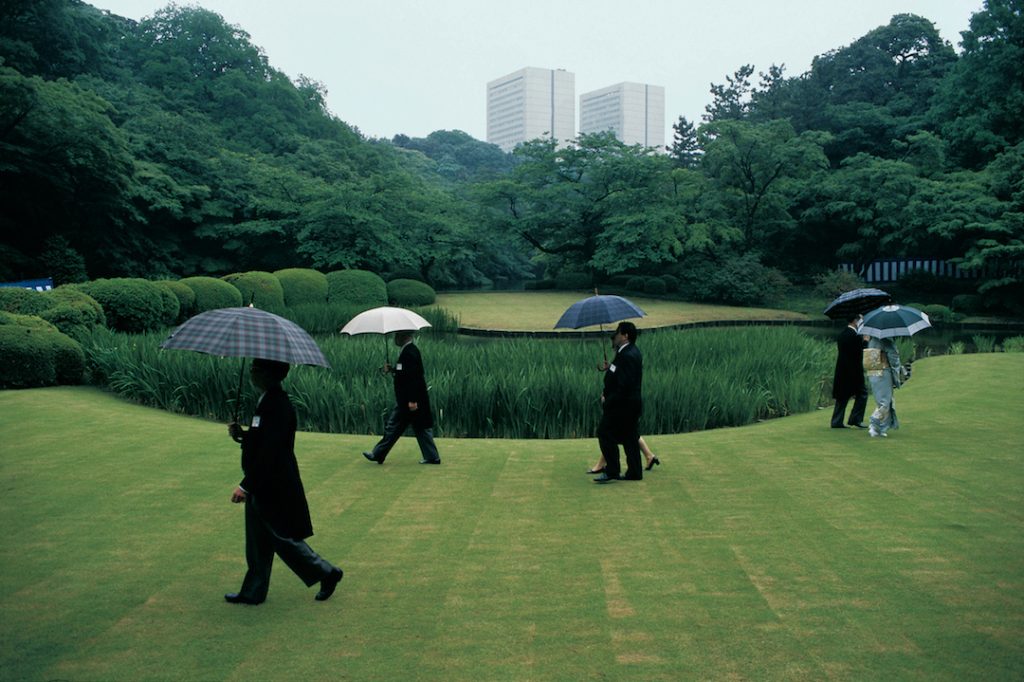
The Philosophy: Compose, Then Wait
Abell’s signature method is deceptively simple:
Compose your frame.
Then wait for life to walk into it.
He didn’t hunt photographs – he prepared for them.
No frantic recomposing.
No hope-and-pray motor-drives.
No chaos.
He built the stage precisely, then waited for one human gesture – a look, a hand movement, a shift of posture – to complete the picture.
This is one of the purest expressions of the OM spirit:
intent before action.
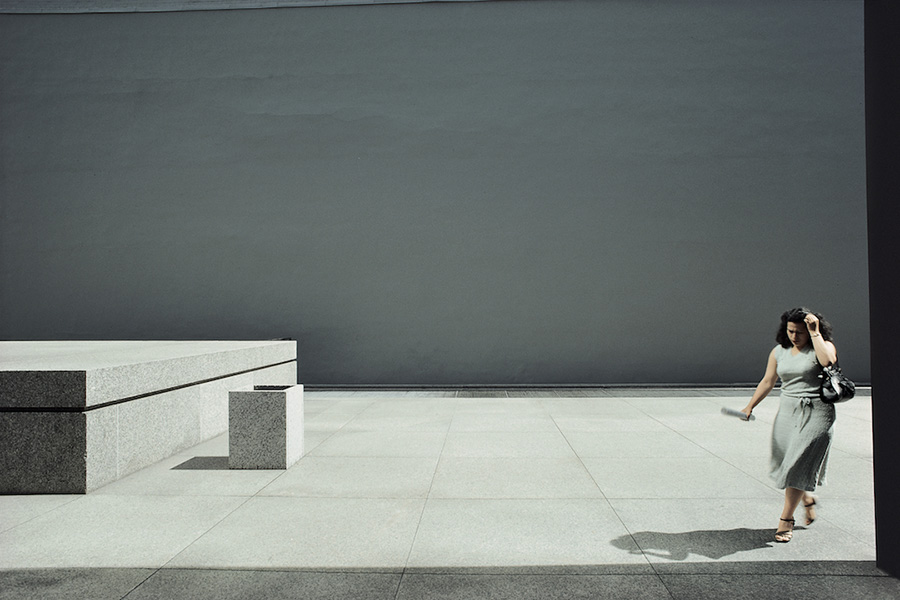
The Two-Lens Life: 28mm + 90mm
Several of Abell’s early National Geographic assignments were photographed with a beautifully restrained setup:
- 28mm – for story, setting, and context
- 90mm – for quiet intimacy and distilled moments
- often mounted on OM-4Ti or OM-2, whose size and silence suited his working rhythm
This wasn’t dogma – it was discipline.
Two viewpoints, learned deeply.
Abell once said:
The best photographers know their lenses the way a writer knows verbs.
It’s the exact philosophy behind the OM system:
work small, work simply, work with intention.
Layers: The Most Misunderstood Concept in Photography
Every photographer now talks about layers.
Only Abell actually practices them.
His images are built like sentences:
- a foreground that anchors
- a mid-ground that explains
- a background that reveals
- and one final gesture that completes the meaning
Nothing is chaotic.
Nothing is accidental.
Everything is placed – then allowed to become alive.
Layers, in Abell’s world, aren’t complexity.
They’re clarity achieved through patience.
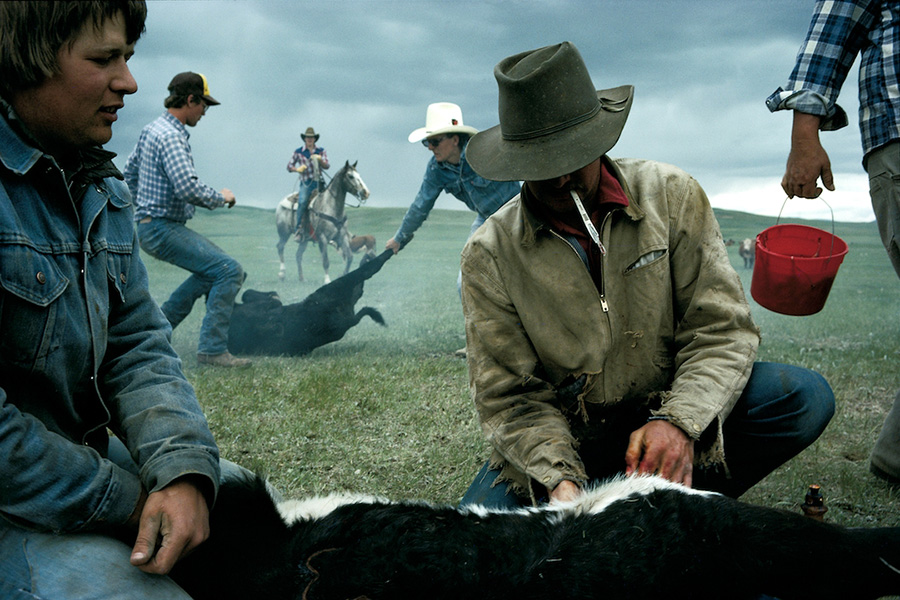
The National Geographic Discipline
Few photographers endured Geographic’s pressure with Abell’s level of grace.
He photographed:
- cowboys in the American West
- traditional Japan
- Australia’s interior
- remote communities
- environmental stories
- cultural rituals
- portraits of everyday and extraordinary lives
Assignments were long, demanding, and often solitary.
Abell survived – and excelled – through consistency, restraint, and an unwavering eye for order in the midst of life.
His best images feel inevitable, as if they existed long before he arrived.
The Look: Quiet, Warm, Unforced
Abell’s photographs are instantly recognisable by their emotional temperature:
- gentle contrast
- balanced compositions
- warm, natural colour
- precise but unpretentious framing
- subjects who feel comfortable, never hunted
His work doesn’t shout.
It lingers.
Where modern photography leans toward the dramatic and hyper-processed, Abell’s style is whisper-soft, poetic, and human.
The pictures I can live with for the longest are the pictures I can’t memorize. If you can just memorize them they’re not going to stay in your mind, they don’t intrigue you [and you don’t] keep wondering about them.
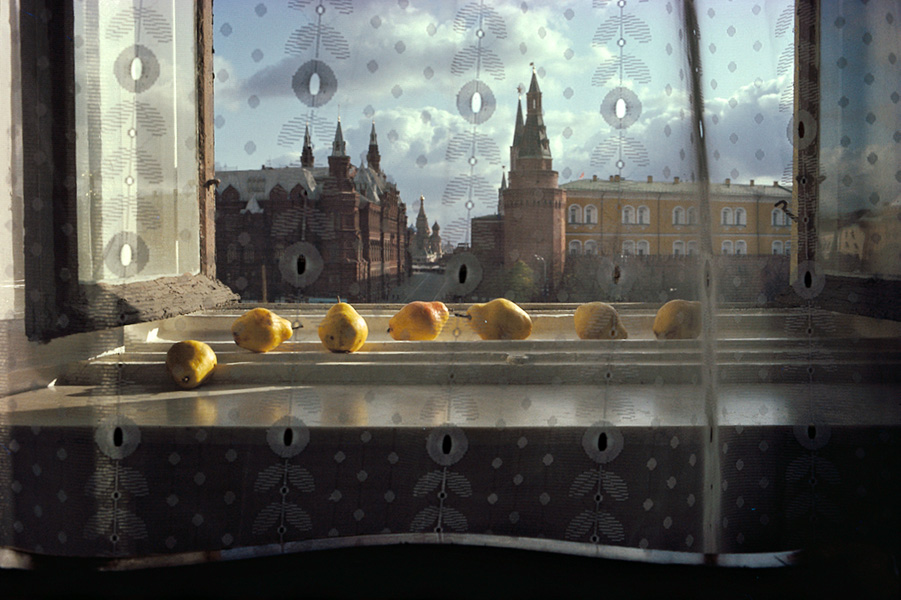
The Teacher Without Ego
Sam Abell is one of the few photographers whose teaching is as valuable as his images.
His books and lectures revolve around:
- clarity
- discipline
- framing
- ethics
- waiting
- emotional honesty
Students describe him as calm, focused, almost meditative – a presence that reflects his photographs.
He teaches photographers to slow down, look deeper, and build meaning with intention.
That is why his influence stretches far beyond Geographic.
The True Lesson: Let the World Come to You
More than any photographer alive, Abell believes in allowing life to unfold.
I don’t take photographs – I receive them.
This is the heart of his practice.
Not control.
Not aggression.
Not speed.
Presence.
Where to Start With His Work
The Photographic Life
His core philosophy = a must-read for anyone serious about photography.
Seeing Gardens
Poetic, slow, intimate – one of his most beautiful books.
Sam Abell: The Life of a Photograph
A deep exploration of layering and visual construction.
National Geographic Archives
Decades of quiet, disciplined storytelling.
Why Sam Abell Belongs in the Hall of OM
Abell’s connection to the OM system isn’t about branding – it’s about temperament.
He preferred:
- small, quiet cameras
- unobtrusive presence
- prime lenses
- patient composition
- minimal, lightweight gear
- the discipline of repeating the same two viewpoints
During a formative period of his career, the OM-4 and OM-2 supported this working method perfectly.
The system complemented the way he saw – quietly, precisely, and with intention.
That is why he fits naturally into the Hall of OM:
a photographer whose philosophy and practice align seamlessly with what the OM system was created for.
Closing
Sam Abell shows that great photography doesn’t come from chasing moments – it comes from preparing for them.
From composing quietly, waiting patiently, and letting life complete the frame.
He is not loud.
He is not dramatic.
He is not hurried.
He is intentional – and that is the OM way at its most poetic.
For a deeper look at how this philosophy plays out in real time, watch Sight & Insight: Photographer Sam Abell’s Art of Simplicity in the OM Video Archive. Seeing Abell speak and work brings his process into focus – the careful composition, the patience, and the quiet discipline behind each frame. It’s a rare opportunity to observe a photographer who prepares meticulously, then waits for life to complete the picture.