
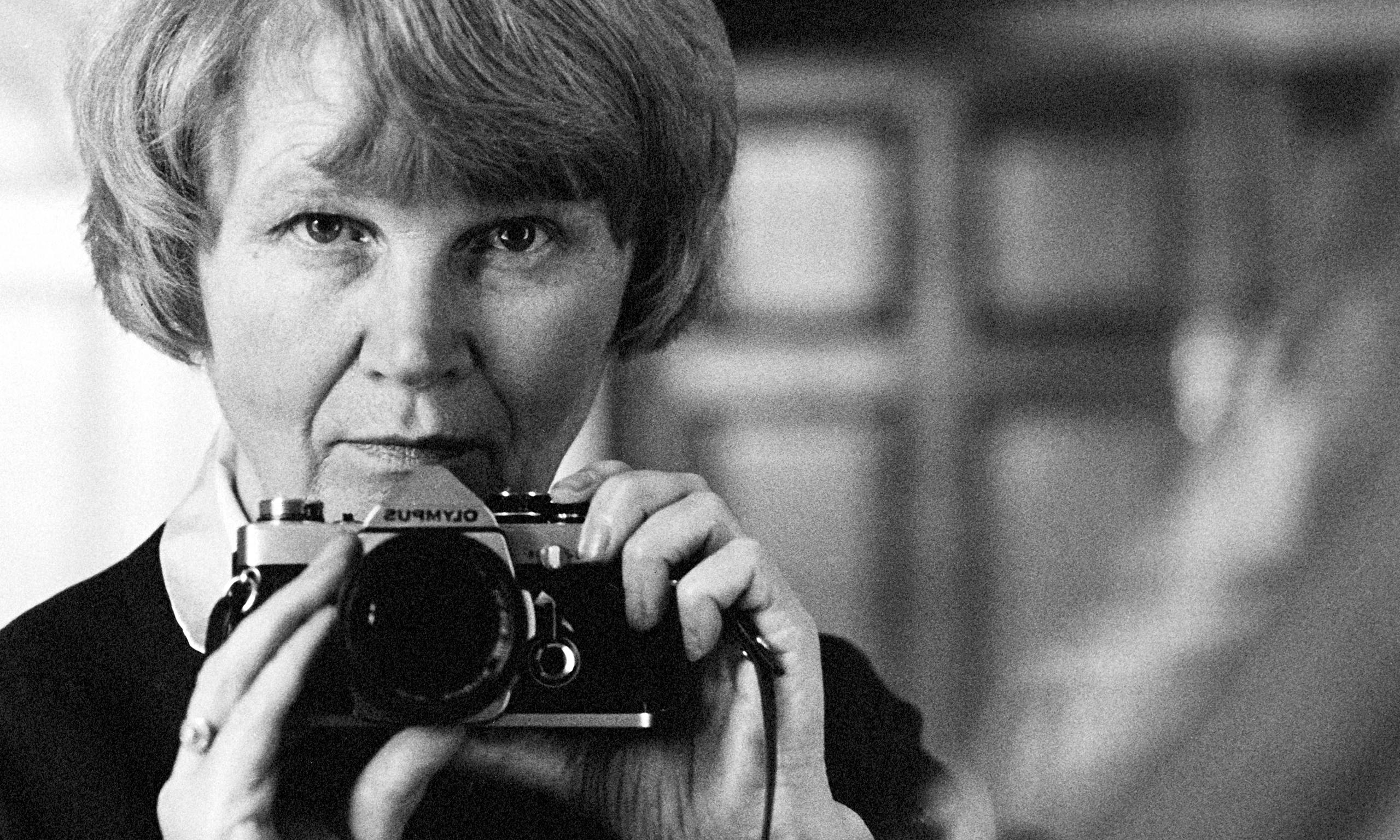
Jane Bown didn’t need a studio. She didn’t need assistants. And she never needed a second shot.
Armed with a compact Olympus OM body, two Zuiko primes, and a few rolls of Kodak Tri-X, she quietly produced some of the most enduring portraits in British photographic history. Her approach was minimalist in gear, maximalist in intent – letting light, presence, and timing do the work.
Over more than sixty years with The Observer, she photographed everyone from royalty to revolutionaries: Samuel Beckett, Queen Elizabeth II, John Lennon, Orson Welles, Cartier-Bresson. No entourage. No artifice. Just presence – and an unshakeable sense for the frame.
The Making of a Method
Born in Dorset in 1925, Bown served in the Women’s Royal Naval Service during WWII before studying at Guildford School of Art. There, under the influence of Ifor Thomas and the philosophy of Cartier-Bresson, she honed a way of seeing rooted in patience and restraint.
In 1949, she was sent on a trial assignment by The Observer. The result – a portrait of philosopher Bertrand Russell – landed her a place at the paper, and she would never leave.
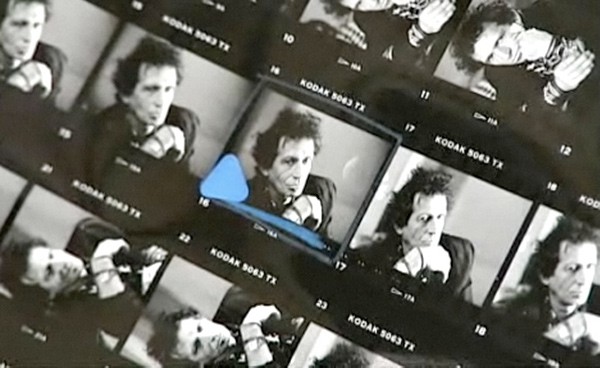
Her working principles stayed consistent for decades. She travelled light. She observed quietly. She photographed quickly. Sometimes a session lasted ten minutes. Often, she shot just a single roll. Her subjects rarely realised when the shoot had begun.
And then, right at the moment the guard dropped, she’d lower the camera slightly and say:
There you are.
That was it. The frame had arrived.
Photographic Style: 1/60s at f/2.8
Bown was obsessive about light — but never controlling of it. Her preference was always north-facing windows, but if those weren’t available, she used a simple household lamp, placed with instinct. She shot almost exclusively at 1/60s and f/2.8, trusting the camera’s steadiness and her own precision.
She carried her gear in a small wicker shopping basket, with two or more Olympus bodies, often preloaded, along with spare rolls of Kodak Tri-X 400, a notebook, and little else. No flash. No light stands. No zooms. No nonsense.
That basket, and what it held, became one of the most efficient working kits in modern photography.
Cameras: Olympus OM-1 and OM-2
After early work with a Rolleiflex and Pentax Spotmatic, Bown found her match in the Olympus OM-1. She prized it for what it lacked: weight, bulk, noise. The OM-1 was silent, compact, and built for discretion, a camera that disappeared between the hands and the moment.
She often carried multiple OM bodies to avoid reloading mid-session. The OM-2 joined her setup later, offering auto-exposure when speed was essential or light uncertain. But the OM-1 remained her foundation – a camera she could work with by feel, not force.
Lenses: Zuiko 50mm f/1.4 and 85mm f/2
Bown is often remembered as a 50mm purist, and with good reason. The Zuiko 50mm f/1.4 (silver nose) gave her honesty and intimacy – a way of seeing that echoed the human eye. But she also made careful use of the 85mm f/2, especially when shooting tighter or working in more constrained environments.
Both lenses were compact, fast, and simple. She didn’t change focal lengths to chase a composition – she moved. Slowly. Quietly. Thoughtfully.
Film Stock: Always Tri-X
Her film stock never changed: Kodak Tri-X 400.
It offered range, texture, and a forgiving latitude for natural light. Pushed or pulled depending on conditions, processed to her contrast preferences, it was the only film she needed for half a century of work.
In Bown’s hands, Tri-X became more than a stock – it became a language.
Notable Work: Silence, Seen
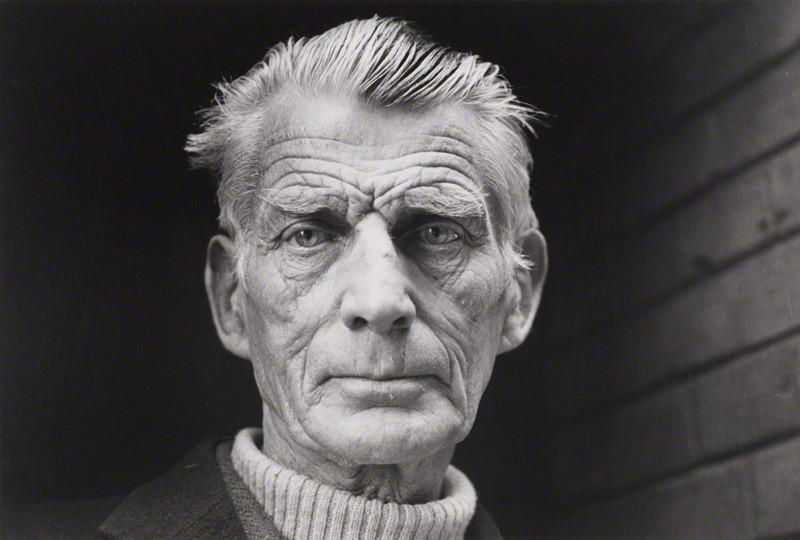
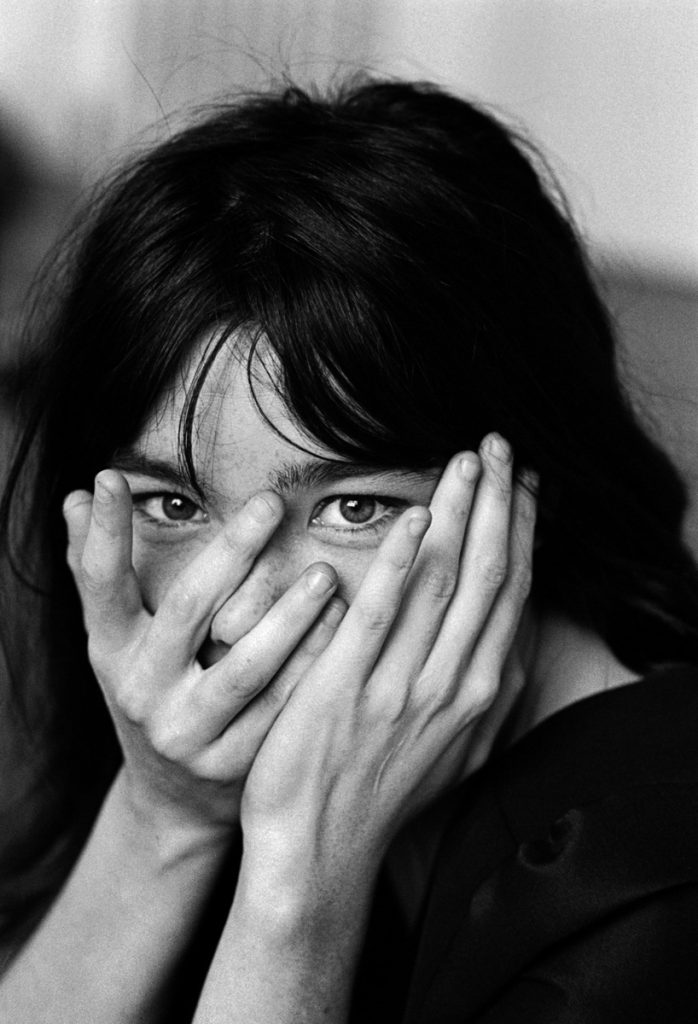
Her portraits are studies in stillness. Samuel Beckett, shot in shadow, eyes carved into light. Queen Elizabeth II, informal and human. Bjork, caught between playfulness and intensity.
No image feels extracted. Each one feels offered.
Her work never shouted. It suggested.
Legacy: Simplicity as Authority
Bown was appointed a CBE in 1995. Her portraits have appeared in the National Portrait Gallery, in major retrospectives, and in books including Exposures, Faces, and A Lifetime of Looking. Yet she remained uninterested in celebrity – hers or anyone else’s.
She believed the photograph mattered more than the photographer.
Shooting Like Jane Bown Today
To follow her lead:
- Use one or two prime lenses
- Let the light come to you
- Keep your camera prepped and silent
- Watch
- Wait
- Know when to say: There you are.
And if the light fails you? A small LED – nothing more – will do.