
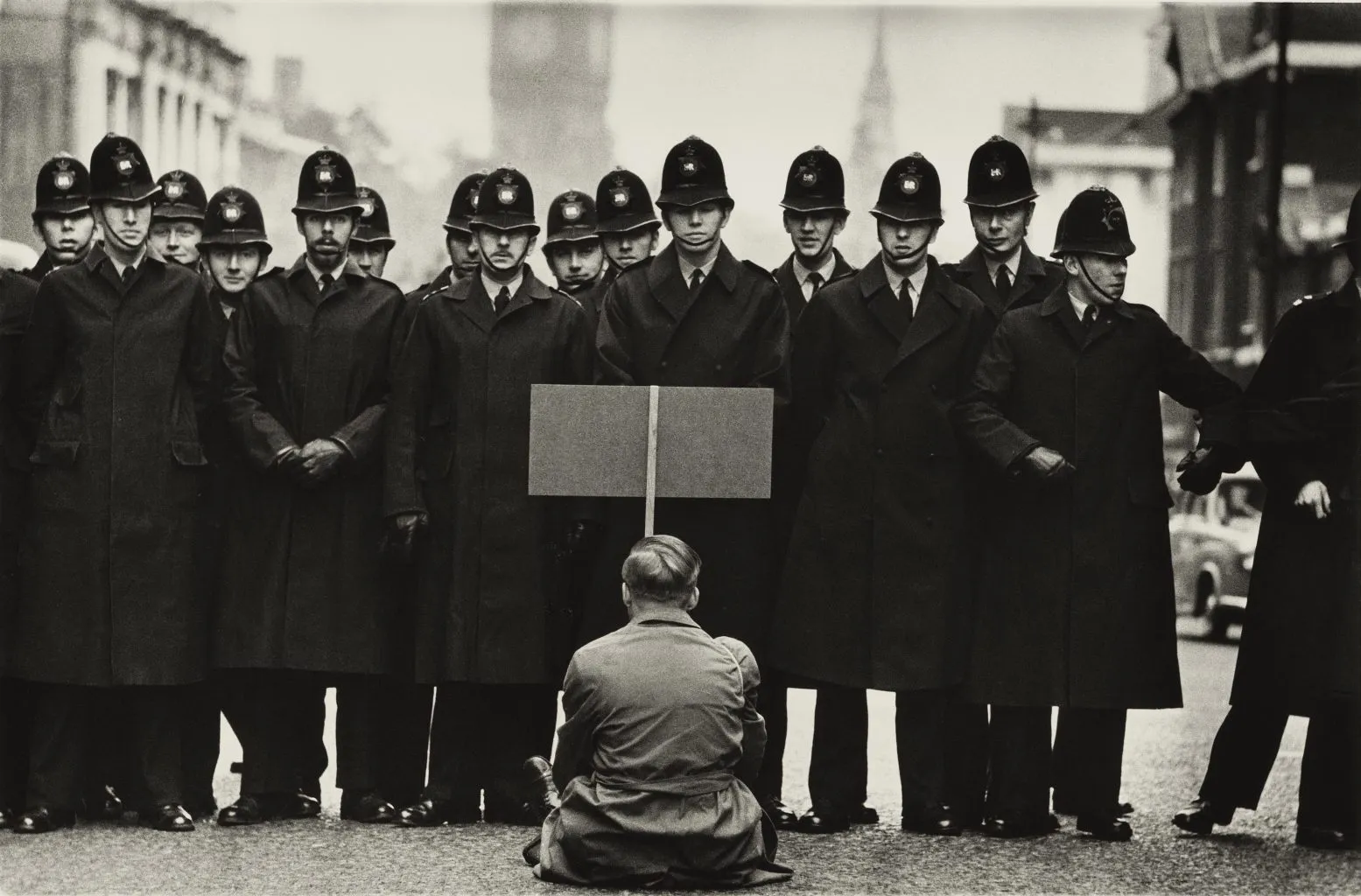
Sir Don McCullin doesn’t flinch. He never did.
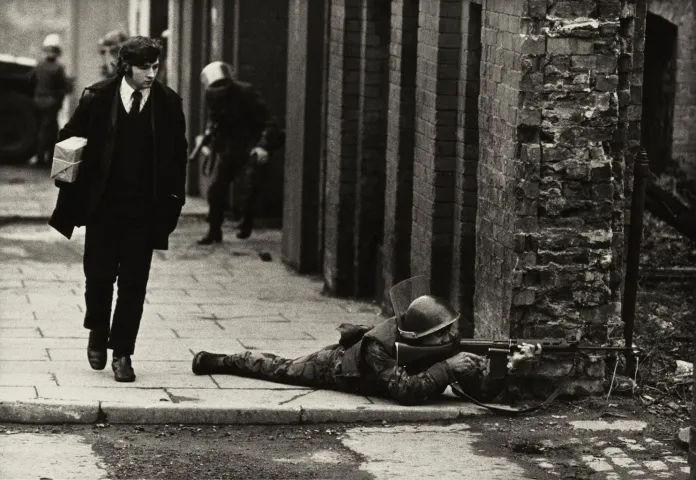
From the rice fields of Vietnam to the rubble of Belfast, his camera has witnessed the worst of human conflict, not to sensationalise, but to understand. For over sixty years, McCullin has shown the world what others choose not to see, creating one of the most honest and unrelenting bodies of work in modern photography.
But behind the drama of his images is a man of precision: methodical, quiet, and deeply committed to the tools that helped him disappear into the moment. Among them: the Olympus OM system.
From Finsbury Park to the Front Lines
Born in 1935 in North London, McCullin’s earliest photographs were of his neighbours, local gangs, and bombed-out postwar streets. A photograph of The Guvnors, a gang posing in a derelict building, launched his career in The Observer in 1959.
What followed was a 20-year immersion in conflict zones: Biafra, Vietnam, Cambodia, Cyprus, Northern Ireland, Lebanon. He was wounded, arrested, expelled. But he kept photographing, often under fire, often alone. He wasn’t chasing drama, he was documenting the consequences.
I am a war photographer, he once said, but I am also a human being.
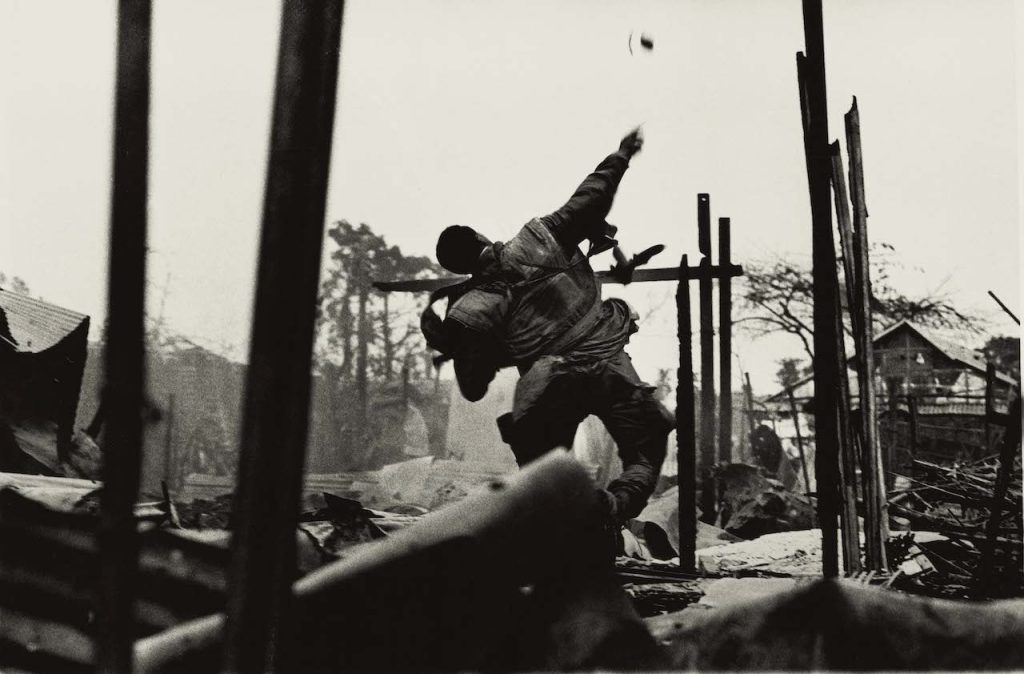
The Olympus Years: Lightweight, Uncompromising
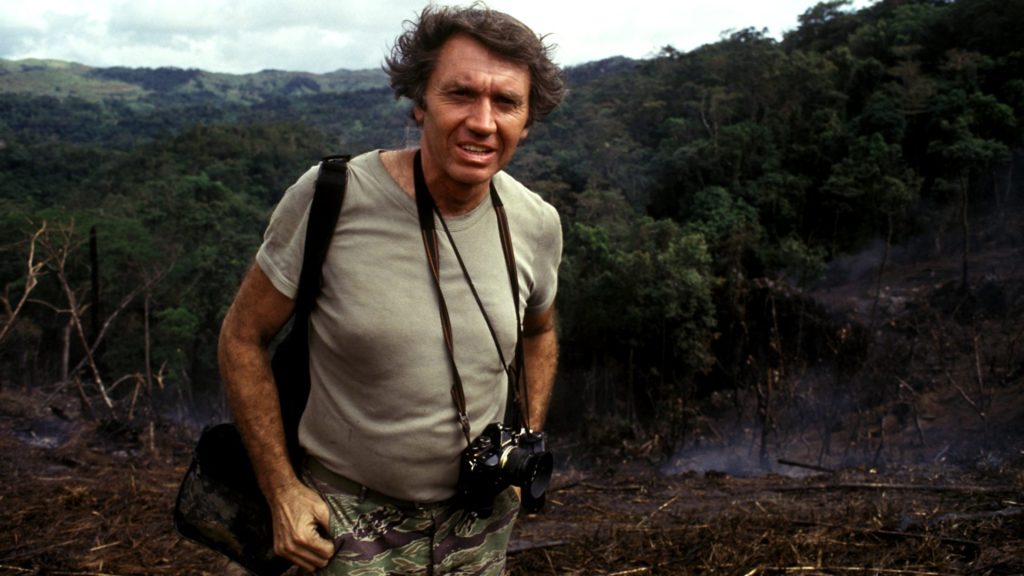
By the 1970s, McCullin had grown weary of the weight of his Nikon kit and began using the Olympus OM-1, later adding the OM-2. Their compact form, quiet shutter, and mechanical reliability made them perfect for conflict work: no bulk, no noise, just control.
He carried two OM bodies:
One with a 28mm Zuiko for immersion
One with a 135mm Zuiko for distance
It was a setup that let him move fast and stay invisible. He didn’t want to look like Father Christmas from Dixons weighed down with gear. Olympus gave him what he needed, nothing more.
He once told Olympus engineers their camera had lifted a weight from the shoulders of photographers everywhere. It wasn’t a metaphor.
Beyond War: Landscapes and Reflection
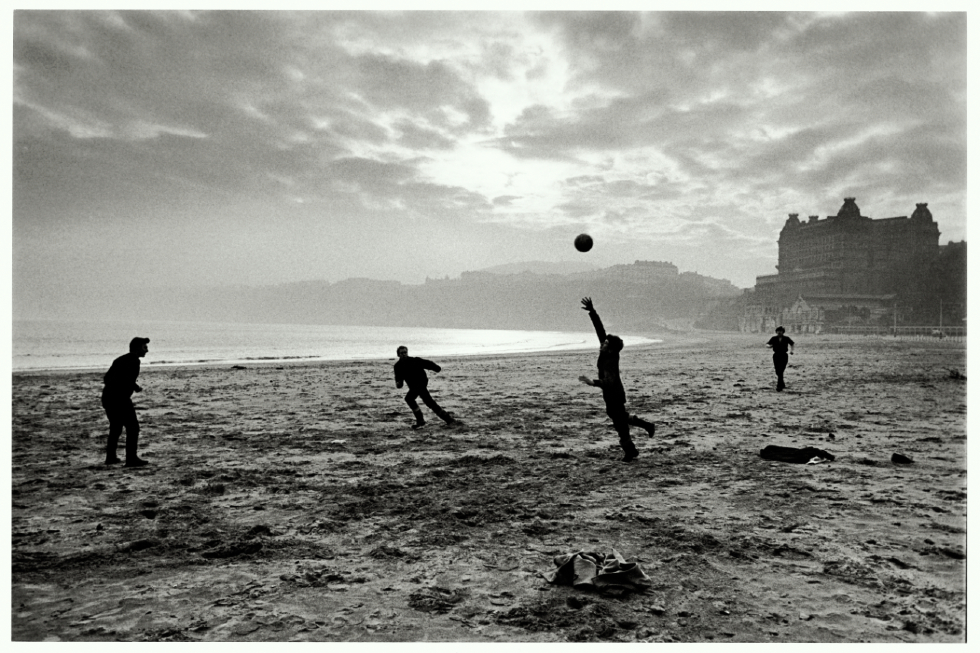
After leaving The Sunday Times in 1984, McCullin turned inward. He photographed the landscapes of Somerset, the ruins of Syria and Palmyra, and the empty fields of England under winter skies. These were still images of conflict, just silent ones.
He returned to medium format for some of this work, favouring the control of Hasselblad and 5×4 cameras. But he continued using Olympus gear for much of the 1980s especially when agility was essential.
In the darkroom, he still prints by hand. The process is part of the healing.
Legacy: The Conscience with a Camera
McCullin was knighted in 2017 for services to photography. His retrospectives at Tate Britain and the Imperial War Museum showcased not just his images, but the battered cameras that made them — including his Olympus OMs.
He rejects the title: war photographer. He prefers simply: photographer.
And in the Hall of OM, that’s exactly what he is, a man who used his camera not to turn away from suffering, but to face it with grace, clarity, and truth.
Further Reading & Resources
- Unreasonable Behaviour by Don McCullin
- Tate Britain: Don McCullin Retrospective
- Looking for England: McCullin Landscapes