

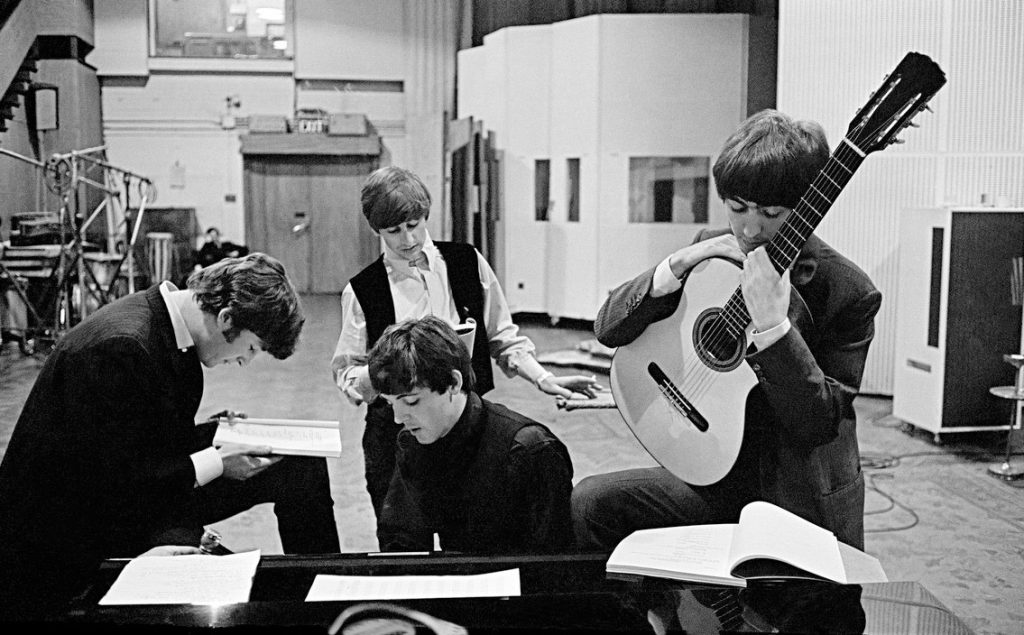
Some photographers chase spectacle. Others chase perfection. David Hurn chased something quieter: understanding.
A founding member of Magnum Photos, a lifelong teacher, and a fiercely observant documentarian, Hurn built a career on simplicity – a small camera, a short lens, and a clear idea of what mattered.
While Hurn is best known for his use of Leica cameras, the principles that shaped his work – simplicity, discretion, and observation – are exactly what Maitani designed the Olympus OM system to support.
He is, in every meaningful way, an OM-minded photographer.
Not because of brand loyalty, but because the OM philosophy matched the way he saw.
Small camera.
Fast handling.
Two lenses.
Deep looking.
No fuss.
No ego.
Hall of OM doesn’t get more fitting than this.
A Photographer of People, Not Performances
Hurn’s photographs breathe.
They’re unforced, human, unpretentious.
Whether he was documenting Wales, Nevada, the Prague Spring, or ordinary daily life, his lens was always pointed toward moments of quiet truth.
He once said:
“Good photography is a series of small recognitions.”
That’s pure OM thinking – not chasing the dramatic, but noticing the human.

The OM Way: Two Lenses, One Purpose
Hurn famously encouraged simplicity.
His guidance to students was always the same:
“Use a 35mm and a 50mm – and learn what they see.”
This wasn’t an accident.
He gravitated toward systems that disappeared in use – and the Olympus OM system embodied that idea perfectly.
Hurn consistently taught that cameras should never dominate the encounter.
Whether he was shooting himself or teaching others, the emphasis was always on discretion, responsiveness, and attention – not equipment.
The Olympus OM system embodies those same values:
- small enough not to intimidate
- quiet enough not to interrupt a moment
- fast enough to respond naturally to life
- designed around simple prime lenses
- encourages patience and observation
Hurn didn’t believe in carrying every option.
He believed in reducing choices until clarity appeared.
That way of thinking is exactly what the OM system was built to support.
The Teacher Behind the Legend
Hurn wasn’t just a photographer – he was a truly great teacher.
His influence came through:
- Magnum workshops
- the School of Documentary Photography in Newport, which he co-founded
- decades of mentoring
- his writing and philosophy
He believed in discipline, patience, and the responsibility of seeing.
Two of his most famous teachings:
“Understanding where to stand is the most important decision in photography.”
and
“If your pictures aren’t good enough, it’s probably your fault.”
Direct. Honest. Uncomfortable.
And completely true.
His Magnum Legacy
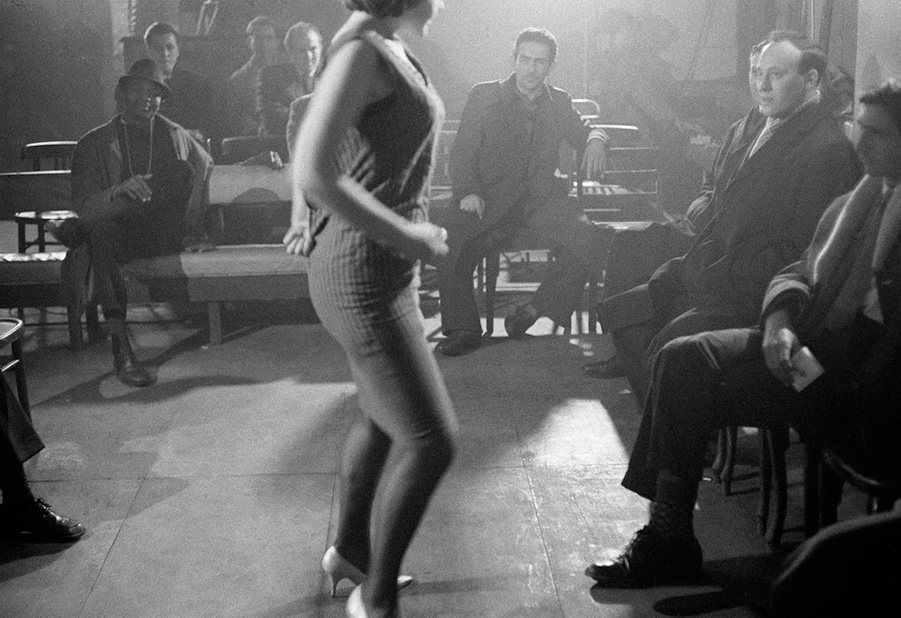
Hurn’s contributions to Magnum include:
- the Prague Spring (1968)
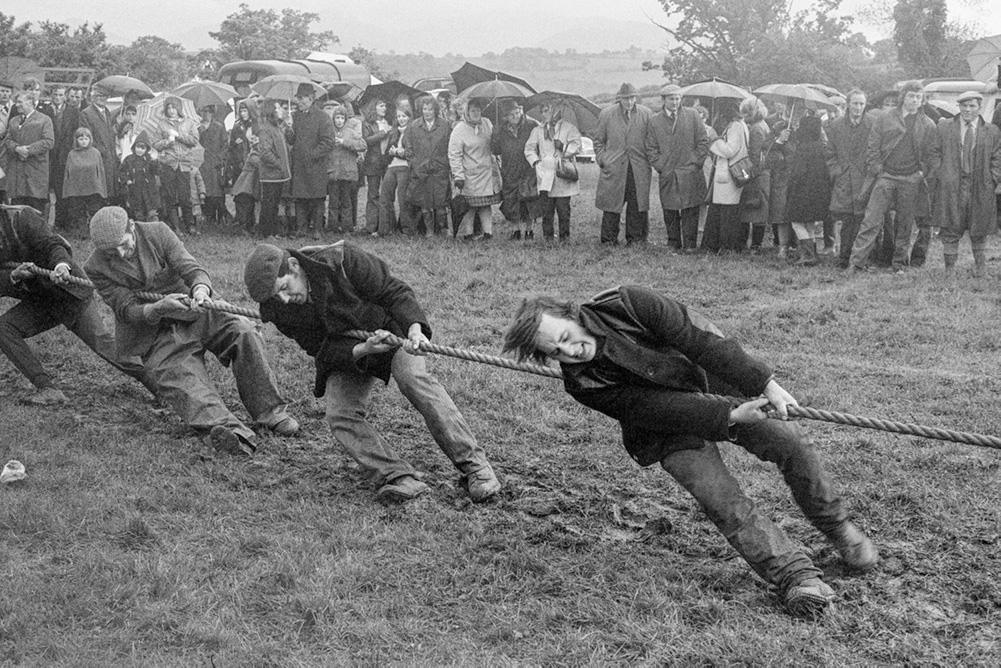
- life in Wales
- America’s deserts and highways
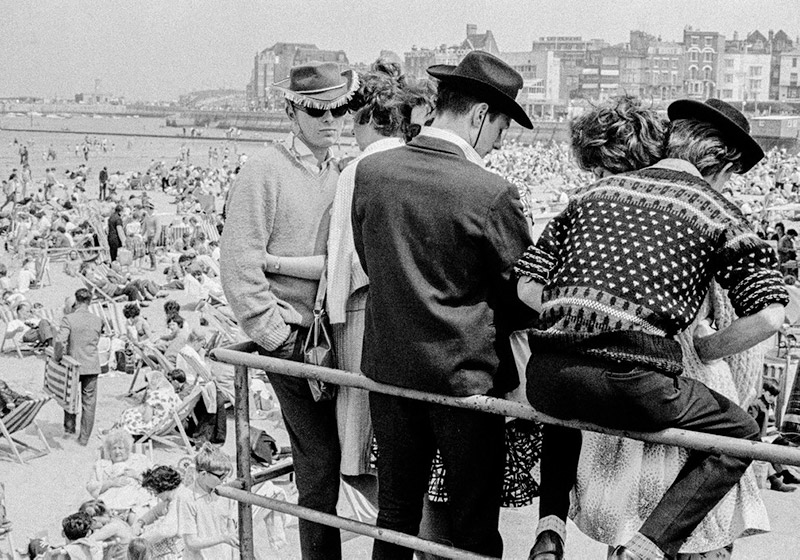
- British culture
- film set work
- long-term social documentary
He avoided sensationalism.
He avoided spectacle.
He focused on the middle of life – the quiet, ordinary moments that age into history.
Gear Philosophy: Less, Always Less
Hurn embodied the philosophy that:
Tools don’t define you – decisions do.
He used OM bodies when teaching because they were:
- lightweight
- unobtrusive
- simple
- reliable
- designed around primes
- free from distraction
He believed:
“Know your equipment so well that you stop thinking about it.”
That belief sits at the heart of the OM system.
Not because of what camera he held in his hands, but because the way he worked – quietly, deliberately, without distraction – is exactly what Maitani designed the OM system to enable.
The Photograph That Explains Him Best
If you could reduce David Hurn to a single idea, it’s this:
Wait for life to make sense.
He didn’t force scenes.
He didn’t impose himself.
He watched, listened, anticipated – and pressed the shutter when the world aligned.
Where to Start With Hurn’s Work
For readers wanting to explore his world:
- David Hurn: Photographs
A beautifully curated overview of his documentary work.
- On Being a Photographer (with Bill Jay)
One of the most practical, essential books on photographic thinking.
A cult classic for good reason.
- Magnum in Wales
His long-term, understated masterpiece.
His Most Important Lesson: The Value Is in Time
Hurn often said that the true value of photography only appears with time.
A photograph may look ordinary today – a market stall, a bus stop, a child playing, a quiet street – but decades later it becomes a piece of cultural memory.
A document of how life felt.
He believed photographers don’t shoot for the present – they shoot for the people who will come after.
“What feels ordinary now becomes precious later.”
This is why he avoided spectacle and chased the everyday.
He understood that time is the real author of meaning.
All we do is provide the frame.
Closing
David Hurn embodies everything the Olympus OM system was created for: clarity, humility, patience, and the belief that photography begins with observation, not equipment.
In a world obsessed with specs and sharpness charts, Hurn reminds us of the real work – seeing.
A camera is a tool.
A lens is a viewpoint.
But a photographer… a photographer is someone who pays attention.
Few paid attention better than him.