

Jacques Henri Lartigue is one of those photographers who makes everyone else look as though they’re trying too hard.
He did not chase assignments, did not cultivate mystique, and did not spend his life worrying about whether photography was art or documentation or something in between. He simply photographed what delighted him. This turned out to be almost everything.
Lartigue was born in 1894 into a wealthy French family, which immediately solved a problem that has distracted most photographers ever since: money. He never needed to earn a living with a camera. As a result, he never had to compromise, hurry, or repeat himself for the sake of a client. His photographs were made for one audience only – himself – and filed away carefully in albums like visual diary entries.
This made him, for most of his life, an amateur.
That word tends to be used apologetically in photography, as though it implies a lack of seriousness or ability. In Lartigue’s case it meant the opposite. He was an amateur in the original sense: someone who does something for the love of it. He photographed because he liked photographing. That was the entire business model.
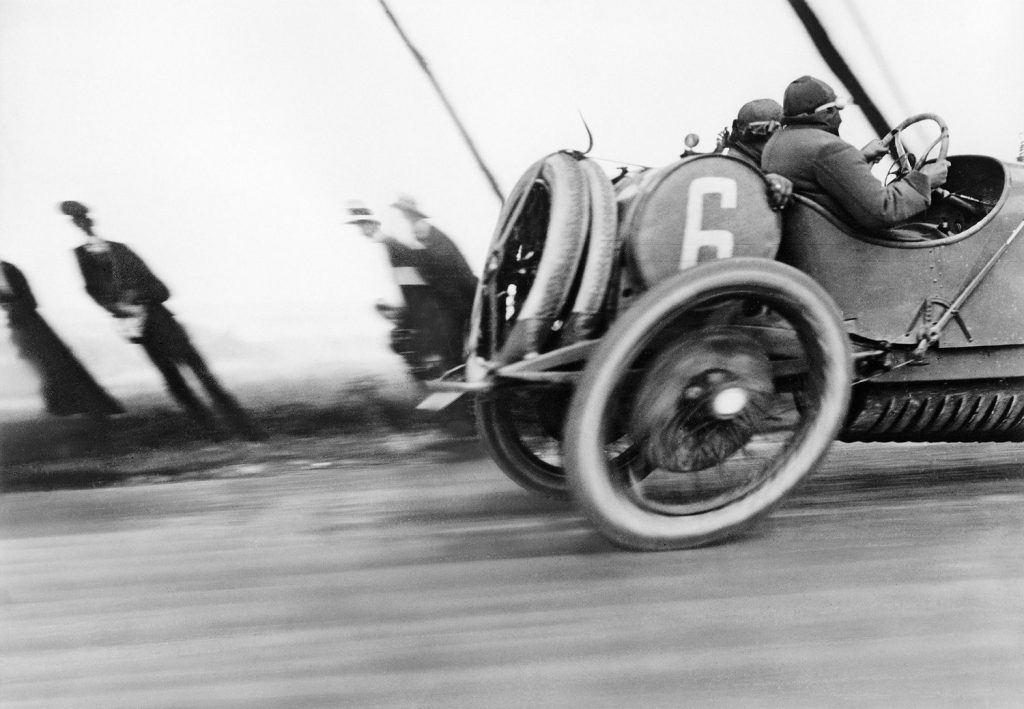
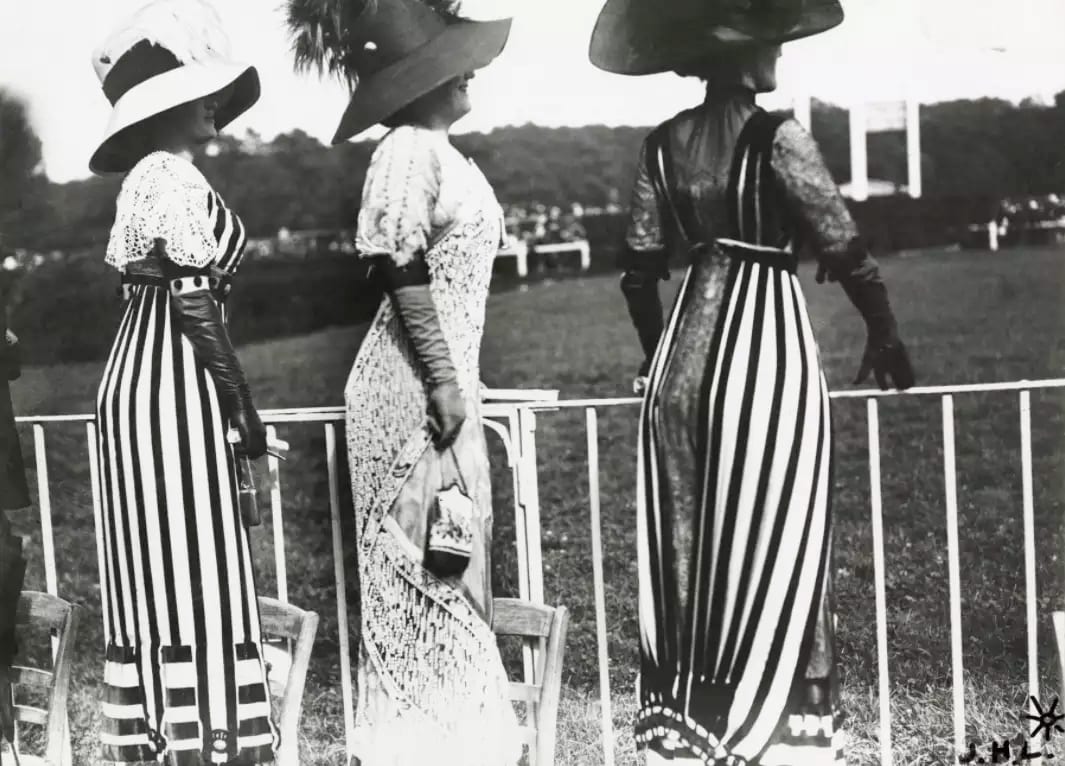
As a boy, he photographed movement obsessively. People jumping, running, falling, laughing. Racing cars tilted improbably as if gravity had briefly lost interest. Women mid-gesture, mid-turn, mid-laugh. His timing was extraordinary, but it never feels showy. The photographs appear to happen rather than be taken.
For decades, nobody much saw them.
Lartigue grew up, became an adult, married, divorced, painted, lived. Photography remained a constant companion rather than a career. The negatives accumulated quietly. The albums grew heavier. The world moved on.
It wasn’t until 1963, when Lartigue was nearly seventy years old, that his photographs were exhibited at the Museum of Modern Art in New York. The response was immediate and slightly bewildered. Here was a body of work spanning half a century that felt completely fresh, unforced, and oddly modern. The photographs were not about hardship or heroism or history. They were about pleasure, speed, affection, and fleeting happiness – subjects that serious photography had a habit of avoiding.
Only then did Lartigue become, retrospectively, a “great photographer”.
This late recognition matters when thinking about his relationship with cameras. Lartigue never approached photography as a professional problem to be solved with equipment. He approached it as a daily habit. Whatever camera allowed him to keep that habit going was the right one.
Throughout his long life, he used many formats and systems, always gravitating toward tools that felt immediate and unburdensome. Heavy equipment did not interest him. Complexity bored him. He wanted to see, respond, and move on.
By the time the 1970s arrived, Lartigue was elderly, internationally celebrated, and still photographing. The question was no longer about ambition or output. It was about continuity. How do you keep photographing when your body is less cooperative but your curiosity remains intact?
This is where the Olympus OM system enters, quietly and without ceremony.
Lartigue used Olympus OM cameras in his later years for the simplest of reasons: they made sense. The OM was light without feeling insubstantial. Balanced without fuss. Small enough to carry without thinking about it. The controls were logical, the viewfinder bright, the camera willing rather than demanding.
In other words, it behaved like a camera should.
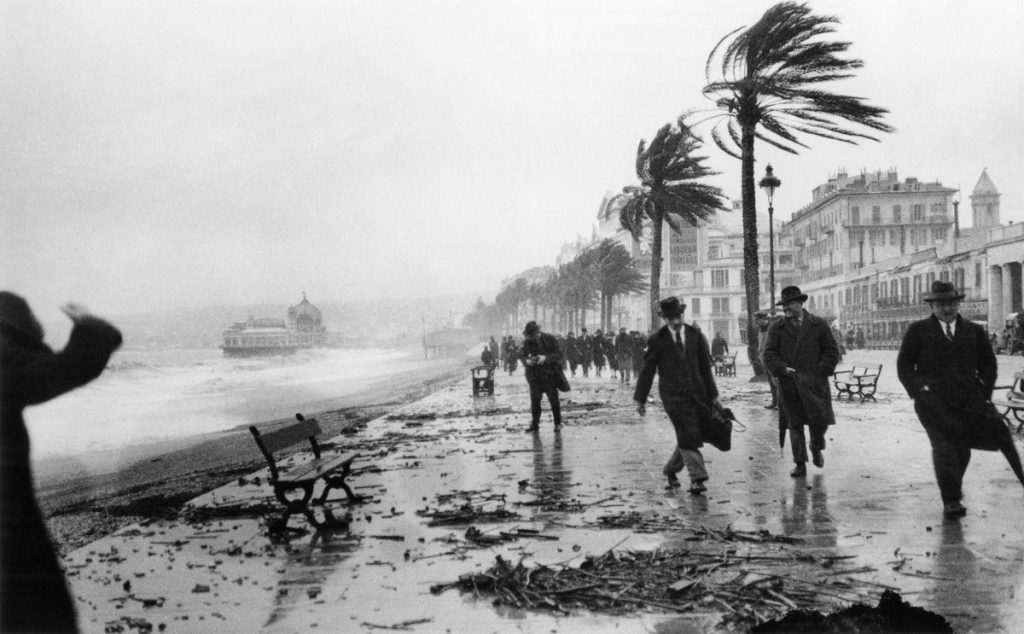
Nothing is more beautiful than a moment that is about to disappear.
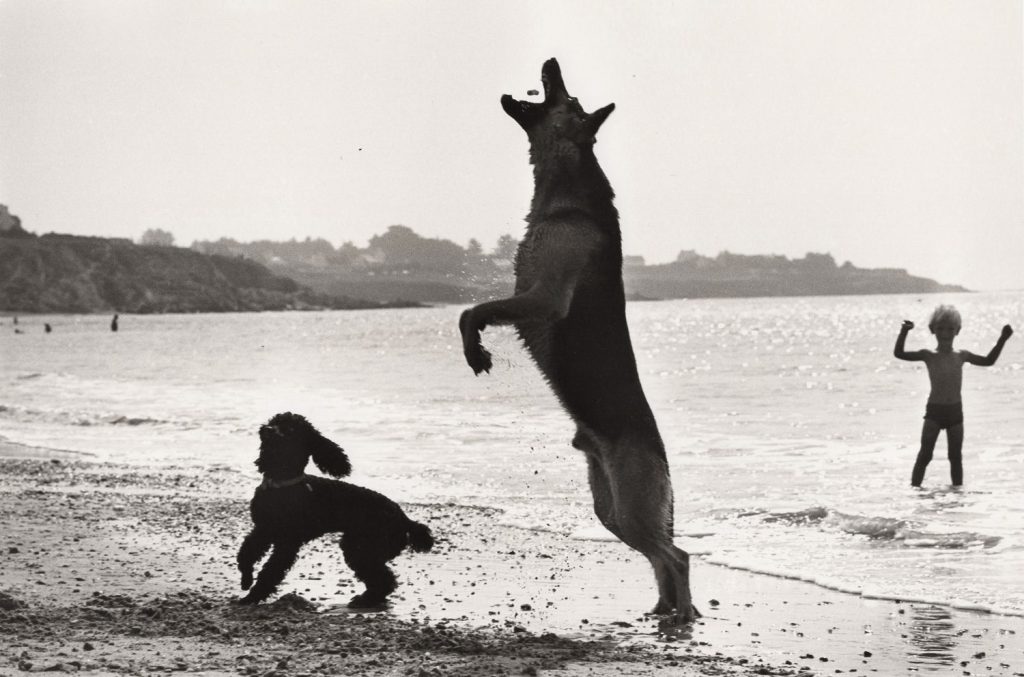
The OM did not change how Lartigue photographed. That is precisely the point. His late work does not announce a new phase or technical shift. The same sensibility runs through it as always: attention to gesture, affection for ordinary moments, an awareness that happiness is often brief and worth noticing.
The Olympus OM system was designed with a similar philosophy. It was not built to impress from across the room. It was built to be lived with. Its designers stripped away excess, reduced weight, and prioritised balance and clarity. The camera became something that could be forgotten in the hand – which, for many photographers, is the highest compliment possible.
For Lartigue, this mattered more than professional credibility or system completeness. He did not need a camera that could do everything. He needed one that would let him keep doing what he had always done.
It is important not to overstate the relationship. Lartigue was not an Olympus evangelist. He did not align himself with brands or systems. He used the OM because it suited him at that moment in his life. Nothing more, nothing less.
That restraint is exactly why he belongs in the Hall of OM.
The Olympus OM story is not only about professionals working under pressure. It is also about photographers who valued lightness, discretion, and continuity. It is about cameras chosen not for dominance, but for sympathy with the way someone sees the world.
Lartigue represents that better than almost anyone.
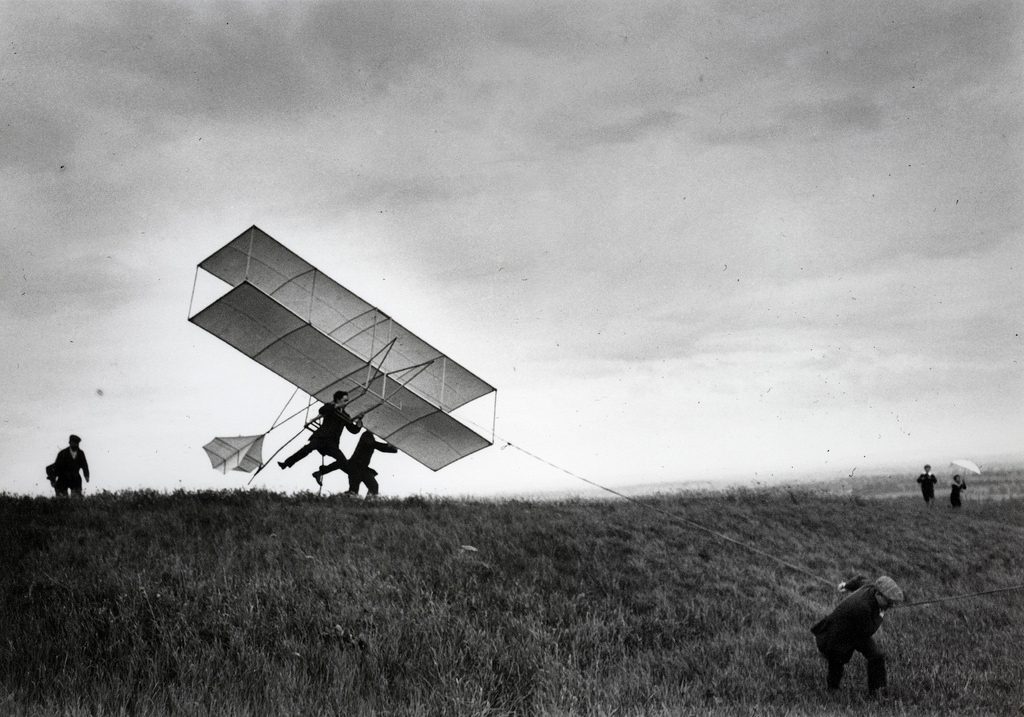
His amateur status – his lack of professional obligation – is not a footnote. It is central to understanding his work. Free from deadlines and expectations, he photographed joy without irony and beauty without justification. The OM did not enable this, but it supported it, late in his life, when support mattered.
There is something quietly fitting about that.
A photographer who spent a lifetime noticing small pleasures ends his working life with a camera designed to stay out of the way. No spectacle. No performance. Just the continuation of a habit formed in childhood.
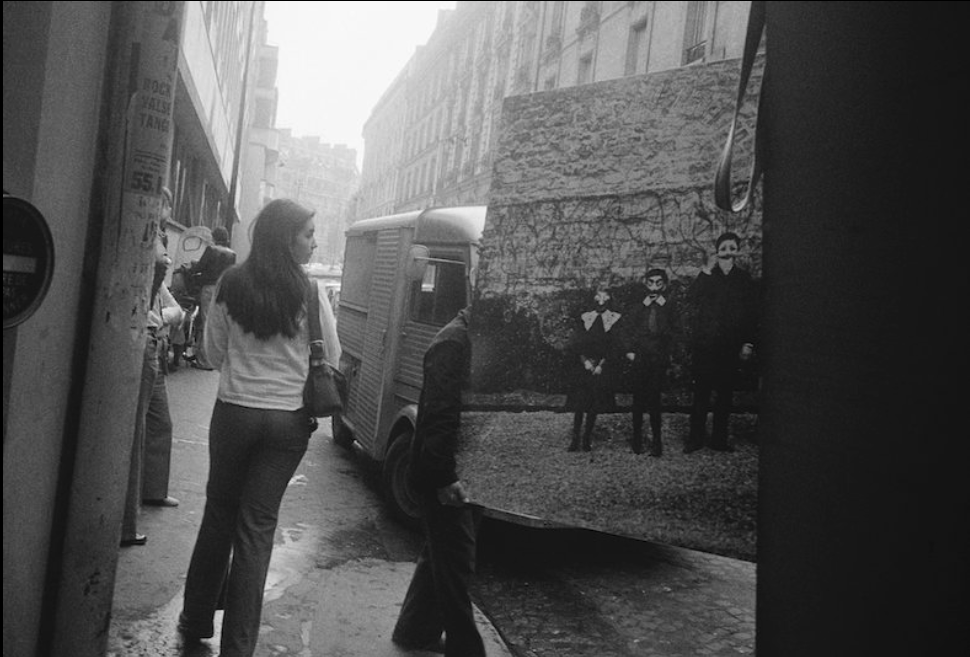
Lartigue reminds us that photography is not always about ambition or outcome. Sometimes it is simply about paying attention for as long as you can.
The Olympus OM was never a camera for shouting.
It was a camera for staying present.